Home battery storage is one of the fastest-growing areas of the renewable energy market — and for good reason. If you already have solar panels (or are considering them), a battery can significantly increase the value you get from your system by storing energy you'd otherwise export for a few pennies and letting you use it when electricity is at its most expensive. At Maybury Energy Services, we install home battery storage systems across Coventry, Birmingham, Warwickshire, Solihull, and the wider West Midlands.
How Does a Home Battery Work?
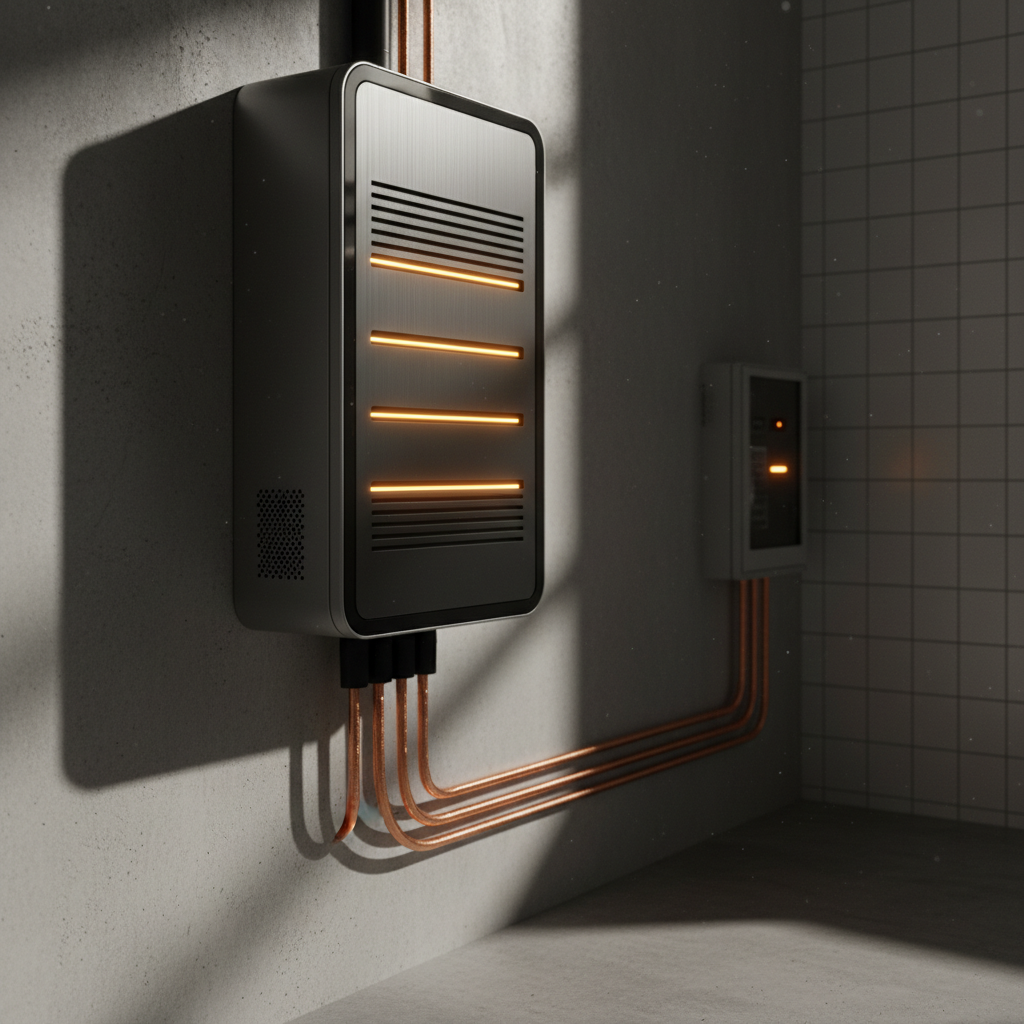
A home battery is a large rechargeable unit — typically mounted on a wall in your garage, utility room, or outside — that stores electricity for later use. When your solar panels generate more electricity than your home is consuming, the surplus charges the battery rather than being exported to the grid at a low rate.
In the evening, when your panels are no longer generating, the battery discharges and powers your home — meaning you're using your own solar electricity rather than buying from the grid at full price. A smart battery management system handles all of this automatically; you don't need to do anything manually.
Can I Add a Battery Without Solar?
Yes — and it can still make financial sense. If you're on a time-of-use energy tariff (such as Octopus Go or similar), you can programme your battery to charge overnight when electricity is cheapest (sometimes as low as 7–8p per kWh) and discharge during peak hours when rates are highest (often 30p+ per kWh).
This "charge cheap, use later" approach can deliver meaningful savings for households with high daytime energy usage, particularly those with EVs, heat pumps, or working-from-home setups. Our team can advise whether a standalone battery makes economic sense for your specific tariff and usage profile.
What Capacity Do I Need?
Battery capacity is measured in kilowatt-hours (kWh). Here's a rough guide:
- 5–7 kWh: Suitable for a smaller home or as a top-up to evening usage. A good entry-level option.
- 9–13 kWh: The most popular range for average UK households with solar. Covers most evening demand and provides some emergency backup.
- 15 kWh+: Ideal for larger homes, homes with EVs, or properties aiming for near grid-independence.
The right capacity depends on your solar system size, household energy consumption, and whether you want emergency backup power. We size the battery correctly as part of your free survey and always explain the reasoning behind our recommendation.
How Much Does Battery Storage Cost?
Home battery storage at Maybury Energy Services starts from £2,950, including supply, installation, and all associated electrical work. The final price depends on the capacity and brand chosen. As a trusted battery storage installer in Coventry and the West Midlands, we provide transparent, itemised quotes with no hidden costs.
When paired with a new solar system, we can often reduce the combined cost versus buying each separately. We always provide a detailed, itemised quote so you know exactly what you're getting.
Emergency Backup: A Bonus Worth Mentioning
Many modern home batteries offer emergency backup functionality — meaning that in the event of a grid power cut, your battery can continue to power essential circuits in your home. This is increasingly popular with customers who have medical equipment, security systems, or simply want peace of mind.
Not all batteries support backup mode, and those that do may require additional hardware. This is something we'll discuss with you during your free survey if it's important to you.
Interested in Home Battery Storage?
Whether you're adding a battery to an existing solar system or starting from scratch, our team will assess your home and recommend the right solution. Free survey, no obligation.